
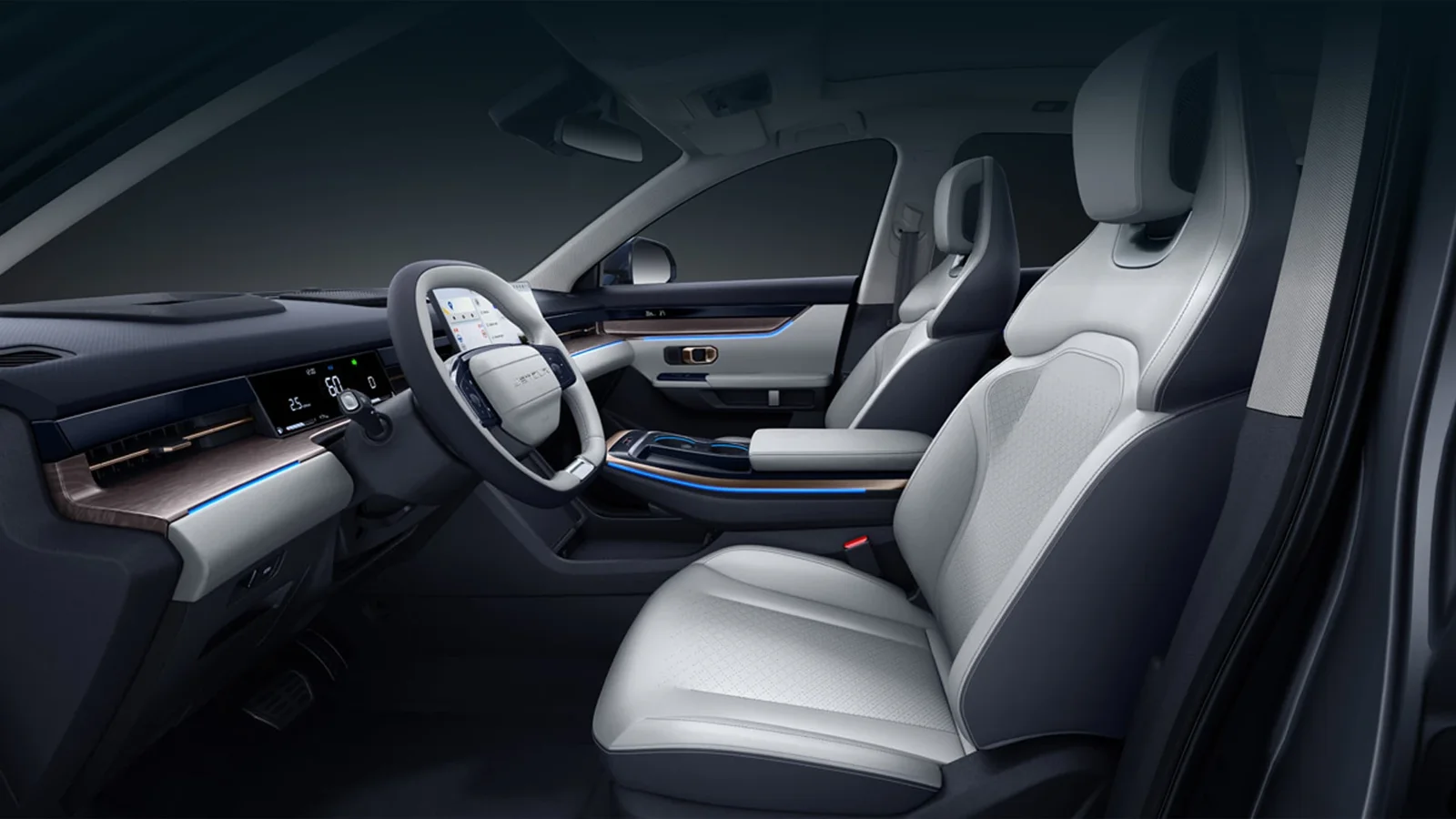
Identify the actual vehicle and restraint applications
Record the original vehicle configuration and the particular restraint products the family intends to use. Applicable vehicle and restraint instructions, plus qualified assistance where needed, should govern the fitting assessment. The Dashing identity guide helps establish the car context. Do not infer compatibility from a visible mounting point, seat width or a similar version’s cabin image. Ask what the assessment actually used and whether it corresponds to the offered unit and intended restraints. If original vehicle information is incomplete, keep that application question unresolved. The dealer can organise a useful record without providing a universal installation procedure. A demonstration with a different restraint or another position should remain an example rather than approval of the buyer’s exact setup. Each required application needs an appropriate answer before the family layout is treated as established.
Retain all required adults and useful front positions
State the driver, front passenger and any adult whose place must remain usable beside the restraints. Keep the normal front settings, rather than moving them only to create an attractive rear demonstration. The rear-family review explains the coupled occupied task. Separate appropriate restraint fitting from adult personal preference: a fitting result does not guarantee comfort in the adjacent place, and comfort cannot justify a departure from applicable instructions. Label representative users and which positions remain untested. If the customer accepts another passenger assignment, record the concession rather than implying the original arrangement was fulfilled. A tall driver’s front setting may change the question compared with another driver’s setting; retain the relevant normal arrangement. The resulting record should describe one appropriately assessed layout with its limits, not combine incompatible favourable observations from different vehicle settings.
Check the ordinary access task independently
Ask where the household normally boards and what usable door movement is available beside the usual obstruction. The home-garage decision separates physical clearance from an appealing parked outline. A fully open-door display in a wide space can leave the buyer’s everyday task unanswered. Keep relevant personal evaluation separate from the restraint application assessment. Do not suggest improvised seats, mounting changes or other unsupported arrangements to solve limited room. If a new accessory or alteration is proposed, it needs its own appropriate assessment and applicable guidance rather than automatic acceptance because it is included in the quotation. Parking cameras can provide information, but they do not create boarding space or establish fitting suitability. Record any alternate loading or boarding routine the buyer deliberately accepts. That prevents a practical concession from becoming an unstated change to the original family requirement.
Add the pushchair and bags without losing a needed place
Describe the actual pushchair in its ordinary packed state and the recurring bags that accompany the passengers. The boot-fit review handles loading opening, dimensions and useful demonstrations. This family article retains the required restraint and adult configuration during that task. A folded-seat cargo picture cannot answer a journey that requires that seat. Label representative objects and untested items, and follow applicable load instructions rather than treating every visible gap as an acceptable storage solution. A family might accept a reduced bag set for occasional trips, but that deliberate variation should appear in the brief. Ask how objects are normally retrieved as well as whether they appear to fit. The complete evidence should concern people, restraints and baggage used together, without converting a broad brochure capacity into a promise that every family combination is accommodated.
Keep condition and substitutions inside the acceptance record
For a used candidate, retain relevant current cabin findings and disclosed work, with appropriate qualified assessment where material concerns require it. Correct restraint application and vehicle condition remain distinct acceptance items. Tidy surfaces or a successful personal comfort observation cannot clear unexamined work. For new sourcing, specify the actual configuration and relevant pre-delivery checks. If the vehicle is replaced, review the material application and layout evidence on the incoming unit; the changed-offer guide explains that separate approval. Do not transfer the first car’s fitting evidence solely through a shared family name. Include restraint models, adult assignments, normal front positions and recurring load in a Dashing enquiry, without unnecessary child identity information. The final recommendation should state the supported configuration and further personal or qualified evaluation needed, rather than offering universal child-seat compatibility or approving an arrangement from ordinary photographs alone.
Choose the next action
| Requirement or finding | Buying response |
|---|---|
| Actual restraints are not identified | Obtain their application and relevant instructions. |
| An adult needs an adjacent place | Assess that personal task within the appropriate layout. |
| Vehicle is substituted | Review relevant fitting and occupied evidence on the new unit. |
Questions buyers ask
Does a wide-looking rear seat prove restraint compatibility?
No. The actual vehicle and restraint applications need assessment under applicable instructions, with qualified help where relevant. A photograph cannot establish a universal fitting result.
Can luggage be checked with a needed seat folded?
That does not fulfil the original occupied family task. Retain required people and restraints, then assess the recurring load or record an expressly accepted alternative plan.