
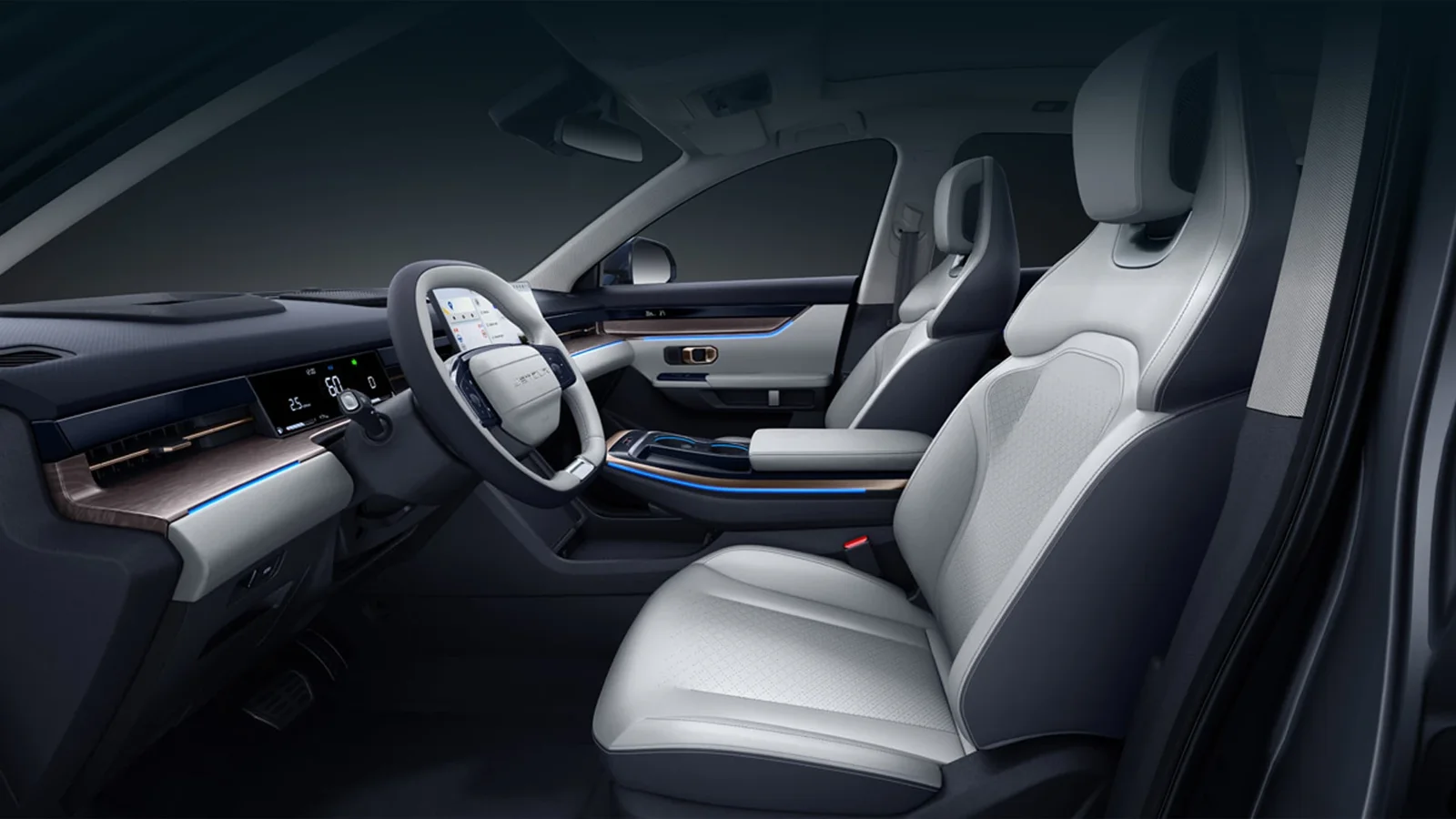
State the regular passenger assignment
Ask which rear places are needed, how often and what the actual passengers consider important. A short occasional trip and a regular occupied journey can justify different choices. Avoid turning age, height or family status into a universal comfort category. The cabin foundations keep the actual configuration attached to the task. Label representative occupants and which places they demonstrate, particularly if the intended users cannot evaluate the car directly. A seller’s comfort judgement cannot approve every buyer’s personal result. Retain any specific access or position need as an acceptance item. Do not infer suitability from a broad exterior dimension or a panoramic empty-cabin photograph. The dealer should understand what the customer needs the rear arrangement to do before recommending a particular period, package or alternative vehicle.
Preserve the front seats the household actually uses
Set the driver and front passenger positions normally before reviewing the required rear people. The driver position review explains why useful front adjustment and rear room must remain coupled. Do not use a favourable rear photograph taken after the front seats moved forward to represent a different normal setting. If two regular drivers use different positions, keep both needed arrangements or the customer’s accepted rear assignment change. Record which passenger sits behind which setting and which result remains untested. A family can choose an alternate seating routine deliberately, but the proposal should then describe that agreed configuration. The original rear task is not fulfilled simply because another arrangement looks roomy. Personal observations and applicable vehicle instructions remain distinct: a comfortable-looking layout should not be used to justify unsupported passenger or restraint arrangements.
Review entry and the wanted cabin functions
Describe the ordinary boarding location and door movement, not only the seated view. A wide display area may be unlike the space available beside the household’s parked car. The garage-use decision treats that external task separately. Ask which rear controls, ventilation or other functions the occupants need, and identify actual fitted equipment and relevant response. Do not transfer a manufacturer feature from another period into the offered vehicle. A demonstrator reaching one control does not prove every intended user can use the same arrangement. Keep language or screen dependencies visible where they affect a wanted task. If a cabin concern is reported, request appropriate findings rather than accepting a general comfort statement. The practical record should explain what was observed, whose task it represents and what still needs personal or technical confirmation.
Keep the recurring load with the passengers
List the ordinary bags and objects that travel with the family and preserve all required seats during the demonstration. The boot-fit guide covers the loading opening and useful luggage evidence. This rear-seat decision adds the occupied context that must remain unchanged. A folded-seat picture cannot establish the same task when that place is needed by a passenger. Label object dimensions, representative loading and retrieval limits honestly. For families using actual child restraints, the restraint-and-load review retains applicable fitting assessment separately from comfort. Do not count an unassessed gap around seated occupants as a safe storage answer. If the customer permits a smaller bag set or alternate occasional trip, record that concession. The recommendation should describe one supported combined journey, not separate favourable seating and boot observations that cannot occur together.
Retain current cabin findings in the final choice
For used candidates, ask for relevant seat, control and disclosed-work findings alongside the practical observations. Surface appearance or comfortable representative people cannot clear unassessed condition. The inspection guide preserves assessment scope and limits. For a new-car request, state the actual wanted configuration and relevant pre-delivery checks. If work changes the assessed seating or equipment, update the material evidence. A model comparison, such as the GS4 offer review, should use this same required occupied task on both identified cars. Put passenger assignments, normal front positions, recurring bags and unresolved personal evaluation in the Dashing enquiry. A later replacement needs its own configuration and relevant findings. The final recommendation can explain a supported preference for this family without claiming universal rear comfort, guaranteed fit or unchanged room across every Dashing and Dasheng version.
Choose the next action
| Requirement or finding | Buying response |
|---|---|
| Front settings are changed for the photo | Review rear use at the normal occupied setting. |
| Needed place is unrepresented | Retain that passenger’s task as unresolved. |
| Bags require a seat to fold | State the changed assignment rather than approving the original task. |
Questions buyers ask
Does seating capacity prove comfort for every rear adult?
No. Assess the actual required people and normal front settings. Representative observations help, but they do not establish universal personal comfort.
Can rear passengers and luggage be approved from separate pictures?
Only when they represent the same required configuration. Preserve every needed seat and identify any untested object or incompatible setting before accepting the combined task.