
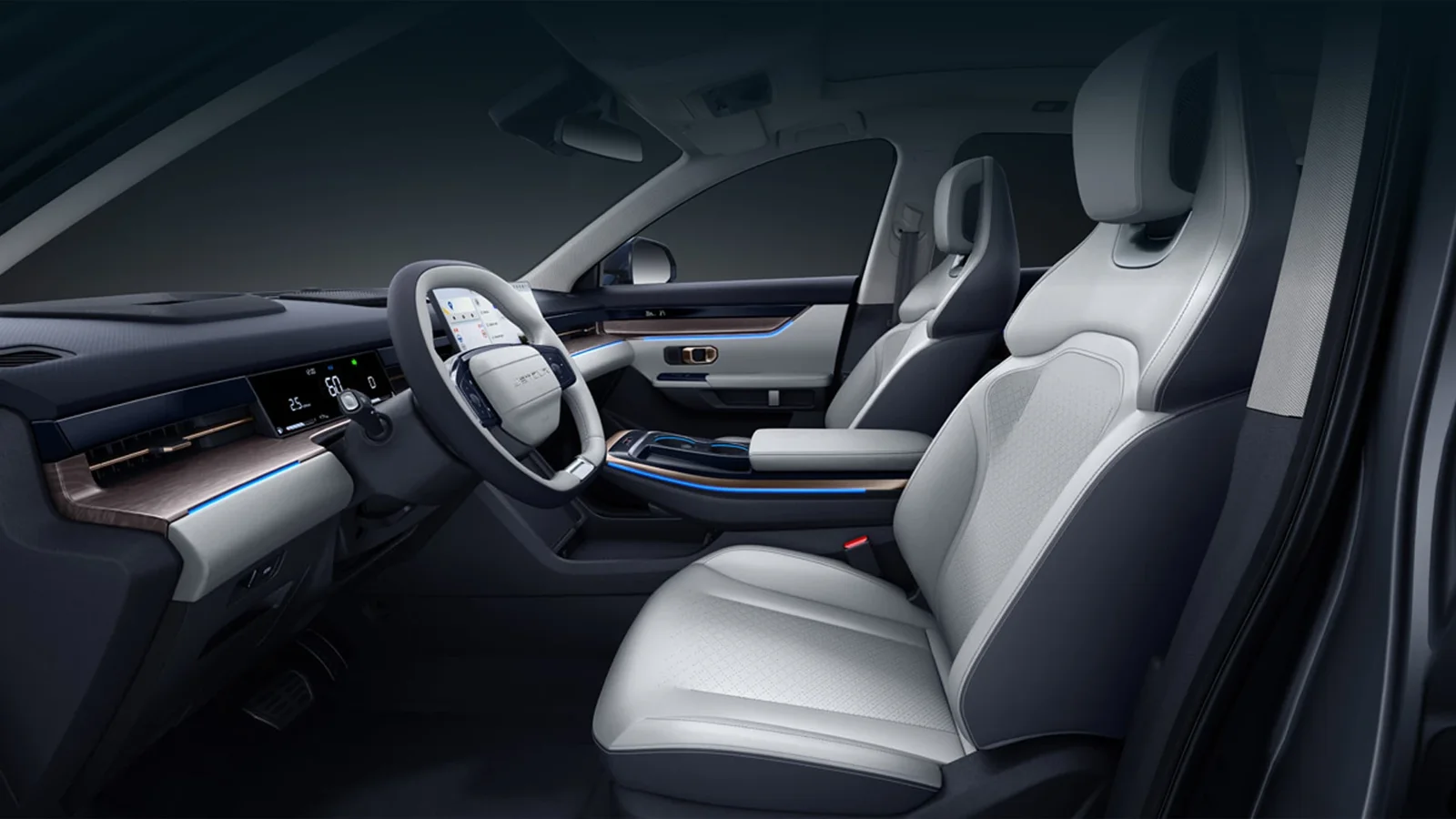
Describe a position rather than a body-style assumption
Ask the buyer what they need from the seated arrangement: a preferred posture, reach to wanted controls, useful visibility or another stated constraint. Do not publish a universal fit threshold from height, seat shape or SUV wording. The cabin guide retains the offered configuration and occupied task. Identify the actual seat, fitted adjustments and any disclosed alteration. A reference photo can orient the customer but cannot establish the quoted unit’s full adjustment or the person’s result. Where direct evaluation is unavailable, request representative observations with their limits rather than approving fit on the buyer’s behalf. Two people with similar height can have different preferences. The dealer’s useful job is to preserve the actual requirement and organise evidence that addresses it, without turning a sporty-looking seat or a favourable exterior profile into personal suitability.
Confirm adjustment and the position achieved
Ask what the installed arrangement supports and show relevant ordinary movement on the actual candidate. The equipment review separates an adjustment label from its current response. A seat moving through a range does not establish that the intended driver reaches a useful position. Retain the settings and represented person so the observation can be interpreted honestly. If another regular driver needs a different position, review that task separately instead of letting the first result approve both users. Keep roof, seat and relevant controls tied to the offered configuration. Do not suggest improvised changes to overcome a fit constraint. Appropriate specialist input may be needed for particular requirements or alterations. If a seller proposes work, retain it as a new arrangement needing its own suitable evidence. A supported original adjustment is a clearer purchase benefit than an unspecified promise to make the seat fit later.
Keep rear users behind the normal front setting
Once the driver’s ordinary position is identified, retain the required rear passengers and the room actually left behind it. The rear-family review explains this combined task. Do not combine a driver demonstration at one setting with a more generous rear view taken after the front seat moved forward. Identify who the rear observation represents and what remains personal or untested. If the household can use a different rear assignment, record that deliberate choice. Include recurring baggage without removing a required passenger place. A driver travelling alone has a different brief from one with an adult directly behind them every day. Useful fit is therefore more than a front-seat result. The dealer should compare the actual occupied arrangement the customer will repeat, including any accepted limitation, rather than several incompatible favourable images presented as one complete cabin answer.
Check entry and exit where the car normally parks
Describe the usual boarding location and door movement available beside an adjacent vehicle or obstruction. A full opening in a display area may be unrepresentative. The home-garage decision keeps parked outline, manoeuvre and personal movement distinct. Ask whether direct user evaluation or suitably labelled evidence is needed for the person’s specific task. Comfortable seating does not automatically prove ordinary entry or exit. Keep those movement observations separate, including an accepted alternate boarding routine if the customer chooses one. A parking camera cannot create door clearance or approve personal access. Avoid recommending unsupported handholds or altered arrangements to make a difficult task appear solved. The practical purchase decision concerns whether the actual configuration and ordinary location support the stated routine, with any personal-evaluation limit preserved rather than erased by a broad body-style claim.
Combine personal fit with an honest condition record
For used proposals, ask for relevant current seat, control and disclosed-work findings, with appropriate qualified assessment where material concerns need it. A comfortable representative person cannot clear unexamined repair or mounting questions. For new sourcing, state the desired configuration and response to be confirmed through appropriate pre-delivery checks. If work changes the assessed arrangement, repeat the relevant position and movement evidence. The X5 PLUS comparison keeps this same practical task across identified alternatives. Record the supported benefit, wanted adjustment and unresolved personal evaluation in a Dashing sourcing enquiry. Keep condition and scope separate from the preference: a useful seat result does not make every other issue acceptable. If another unit is offered, review its own fitted arrangement instead of transferring approval by trim name. The final recommendation should serve the actual person and household, not a universal driver category.
Choose the next action
| Requirement or finding | Buying response |
|---|---|
| Adjustment moves but fit is untested | Retain the intended person’s useful position question. |
| Rear task needs another front setting | Resolve the combined arrangement before approval. |
| Normal opening is constrained | Assess entry and exit at the relevant location. |
Questions buyers ask
Does a sporty seat prove a supportive position for everyone?
No. Confirm the actual person’s needs and fitted adjustments. Appearance and representative comfort do not establish universal personal suitability or current seat condition.
Can a seller’s fully open-door demonstration approve my daily entry?
Only within its represented conditions. Compare the normal location and the intended person’s task, and retain any untested movement as unresolved.