
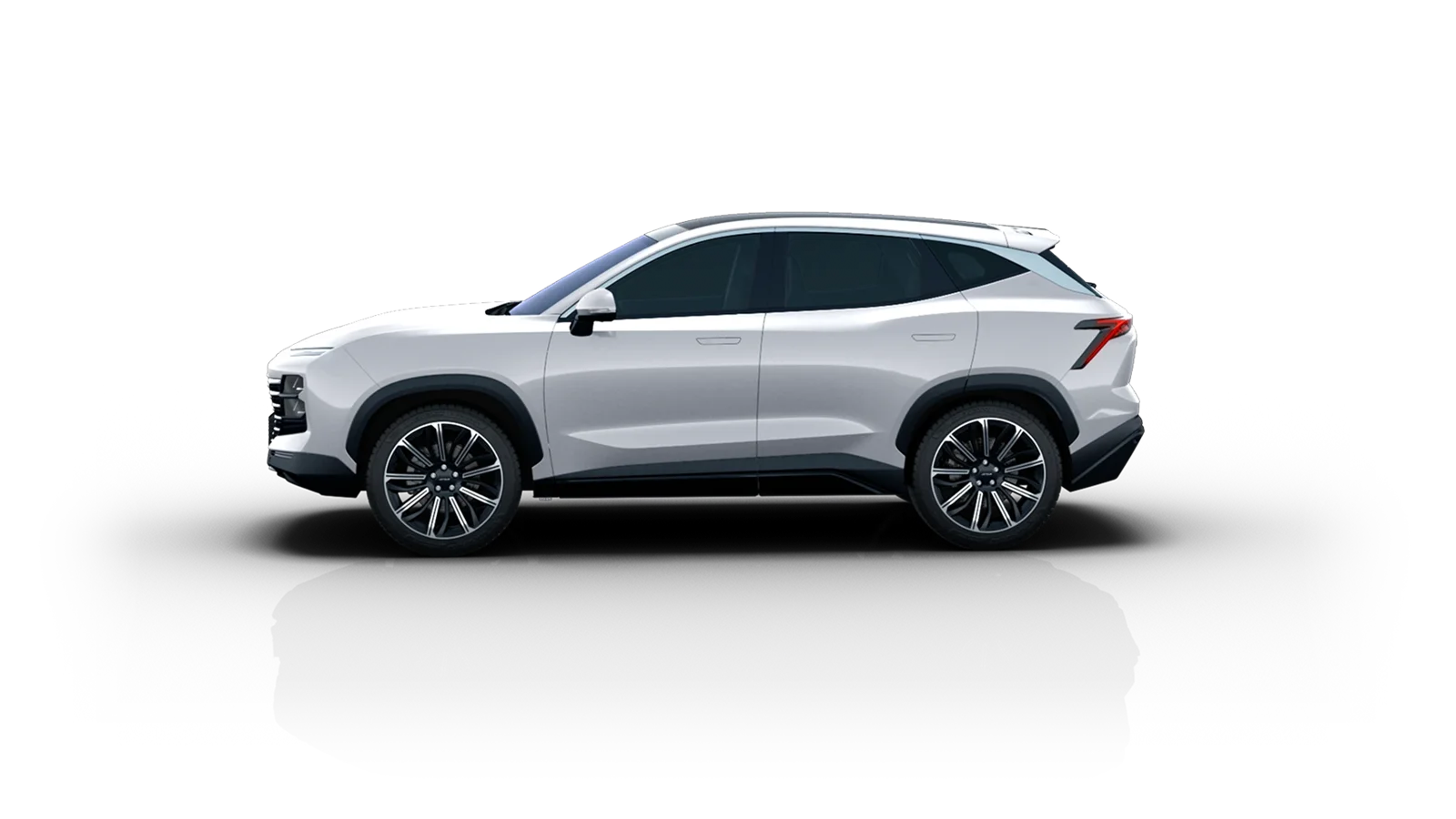
Keep the X5 PLUS description precise
Changan’s official China model presentation includes X5 Plus. Use that reference as naming context, then ask for the original designation and actual specification of the particular proposed vehicle. Do not silently replace an earlier Oshan-labelled description or a different period’s records with a contemporary English label. The Dashing identity foundations apply the same discipline on the Jetour side. Preserve source market, manufacturing information and installed mechanical combination separately. If a supplier uses similar-looking photographs from another version, ask which features are actually being offered. A model-family comparison needs enough identity evidence to avoid crediting a package that belongs to another application. Keep new status and used history visible as well. Broad accepted years make sourcing more flexible; they do not make every production period or brand presentation interchangeable in the customer’s final purchase record.
Separate visual preference from the ordinary cabin routine
Ask which exterior or interior details attracted the buyer and what practical function they expect alongside that appearance. A sporty description is not an operating test, and a sculpted seat is not personal-fit approval. The Dashing equipment guide distinguishes fitted features, claimed trim and actual useful response. Request the driver’s wanted control actions on both candidates, including any language or device dependency. Where the daily method matters, the touch-control decision explores the Jetour task more closely. The X5 PLUS needs its own observed method, not a transferred result from another Changan screen. Keep an appearance preference deliberately valued rather than dismissing it or inventing performance benefits from it. If the buyer likes both presentations, compare the practical response that differentiates them. That gives the dealer a supported reason to recommend one actual cabin without asserting that sportier styling proves superior engineering or comfort.
Compare ordinary boarding and the passengers behind it
Describe where the driver boards and the seat position they normally use, then retain the rear occupants and their recurring load. The seat and entry review keeps a preferred driving posture separate from the movement needed to reach it. A favourable side profile cannot show the actual opening available beside the buyer’s adjacent parked car. Ask for appropriately labelled observations or personal evaluation where feasible. Keep front positions realistic while assessing the rear task. Do not combine a driver photograph at one setting with a roomy rear picture taken at another and call the arrangement accepted. Record which bags remain untested and whether the customer permits a different passenger assignment. The useful comparison is the combined routine on each offered configuration, including its limits. Neither a category description nor a single exterior dimension answers every family’s daily access and occupied-space requirement.
Request application-specific support and current evidence
Identify the installed engine, gearbox and relevant electronic equipment on both cars before asking the receiving workshop about support. A general statement that either brand is popular locally does not establish the scope for this imported application. The Jetour service planning guide prepares that conversation. For used candidates, retain relevant work records and qualified current findings where needed; a low reading or clean cabin cannot clear an unexamined concern. For new proposals, specify status and completed pre-delivery scope. If additional equipment has been fitted, ask what was changed and how the actual arrangement is supported. Do not let an attractive added screen become an implied original-package advantage. Compare the evidence on each car with the same customer requirement. Useful support confidence comes from a named scope and relevant answers, not from ranking entire brands without examining the proposed versions.
Price the actual accepted difference
Align vehicle amounts, included preparation, supplied keys and accessories and the agreed delivery boundary. Identify which work is completed and what remains conditional. Suppose the X5 PLUS has a preferred visual package, while the Dashing has clearer records and an ordinary control method the customer prefers. Ask whether appearance is a deliberate premium choice and whether any essential condition item remains unresolved. No universal model ranking is needed to explain that decision. The quotation review keeps the final scope connected to the right unit. Send a Dashing enquiry naming the X5 PLUS alternative and accepted production, use and equipment limits. If another candidate is substituted, its own task and findings must be reviewed. The final proposal should state which customer-valued benefit earns the difference, without implying that similar styling, a shared displacement or a lower initial amount makes the cars equivalent.
Choose the next action
| Requirement or finding | Buying response |
|---|---|
| Naming changes between documents | Reconcile the original X5 PLUS and Jetour applications. |
| Style motivates the shortlist | Value it separately from demonstrated daily functions. |
| Access decides the purchase | Retain normal position, openings and required passengers. |
Questions buyers ask
Is Oshan wording enough to identify every X5 PLUS offer?
No. Preserve the original designation, period and actual specification. Ask the supplier to reconcile changed brand or version descriptions instead of blending them into one assumed configuration.
Does sportier appearance justify a higher amount?
It can be a deliberate preference, but it does not establish useful response or condition. Compare the actual package, supported tasks and finished scope before deciding the premium.