
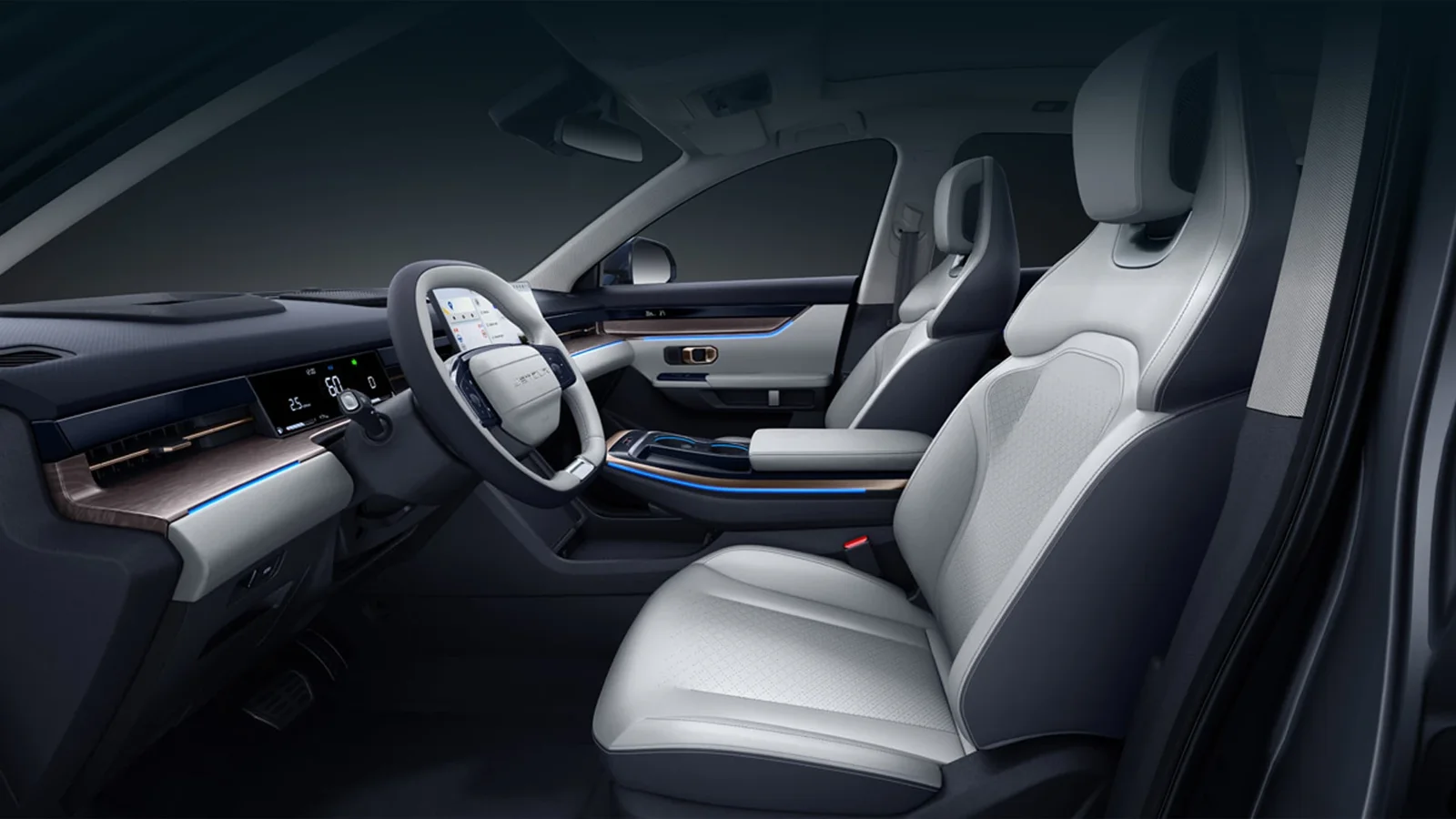
Identify what was changed from the original arrangement
Ask for the original vehicle and system records, the current installed hardware and disclosed alterations. The equipment guide separates original configuration from added features. Keep the actual unit reference with photographs and available work records. A screen resembling another brochure’s panel does not establish an original system or identical interfaces. Ask whether original components are supplied loose and what their documented condition is, rather than assuming they are available for restoration. Retain unknown areas as unknown. A customer requesting original equipment may reject the altered route as a preference even if another buyer values the added function. The dealer should not present an aftermarket arrangement as standard fitment for every Dashing period. The first value question is what was actually changed and which original requirement the customer is willing to retain or revise.
Demonstrate the task the receiving customer wants
Choose the intended phone, language or ordinary media function and request actual operation through the expected device and connection method. The CarPlay and Android Auto review handles that technical task in detail. This article asks whether the added arrangement is worth choosing within the purchase. Seller playback can show one function while leaving the buyer’s intended projection method unanswered. Identify required cables, adapters, accounts or other supplied components and what happens under the agreed ordinary routine. Do not credit a future update or accessory as already working. Keep language coverage specific rather than using one English menu to claim full localisation. If an essential method remains unconfirmed, retain it as an acceptance item. Appearance can be valued deliberately, but it should not turn an unsupported function into the reason for paying an upgrade premium.
Retain related vehicle functions and appropriate assessment
Ask whether the change affects ordinary vehicle controls, parking views or another function the customer requires, and request relevant demonstrations of the final arrangement. The parking-camera guide keeps those views independent from phone projection. A successful phone connection cannot approve every linked vehicle interface. Material installation concerns need competent assessment with its scope stated; ordinary photographs or a responsive display do not establish the complete work quality or effect on related systems. Ask who can support the actual added hardware at the destination. Familiarity with standard Jetour equipment is not support for every aftermarket application. Keep qualifications and unassessed matters visible. The dealer should not provide a universal wiring or installation recipe to resolve uncertainty. The buying record needs the supported arrangement, useful result and assessment boundary rather than a general assurance that the screen works.
Treat updates or restoration as distinct work proposals
If the customer wants a software change or the original arrangement reinstated, ask what work is supported, who is responsible and what evidence will establish the result. The software-change guide retains before-and-after functions. The parts review handles application-specific components without proving completed restoration. Removing a device does not automatically establish that every affected interface has returned to the wanted state. Keep proposed work separate from current configuration and obtain relevant completion evidence where the acceptance task changes. Ask which loose items and documentation are included in the revised amount. A promise to make the system original should not replace the actual application and functional record. The buyer can choose a supported restored result or another candidate, but the remedy must remain a proposal until the finished arrangement is appropriately evidenced.
Compare the added package against an eligible original car
Align vehicle status, individual condition, completed work, supplied hardware and receiving support. The package and period comparison prevents every price difference being attributed to the display. An original simpler system that fulfils essentials may be preferable to a richer unconfirmed modification. A supported added function can also earn deliberate value for the buyer who wants it. Do not claim a universal resale premium or automatic manufacturer support from screen size. Record allowed changes, essential original functions and the receiving method in a Dashing enquiry. If the installed hardware or vehicle changes during negotiation, repeat material task and assessment evidence. The final recommendation should describe the actual supplied state, supported useful benefit and remaining limitations. It should not pay for features removed before delivery or convert an aftermarket demonstration into an unsupported original-equipment claim.
Choose the next action
| Requirement or finding | Buying response |
|---|---|
| Hardware differs from original records | Identify the actual change before calling it an upgrade. |
| Phone works but camera is untested | Retain each required vehicle function separately. |
| Restoration is proposed | Require supported application and completion evidence. |
Questions buyers ask
Is a bigger screen equivalent to a higher original trim?
No. Distinguish original and added hardware, actual tasks, installation assessment and support. Appearance cannot identify an original configuration.
Does removing the added screen prove every function is restored?
No. The wanted original application and relevant final responses need their own evidence. Keep restoration work and completion separate from the removal itself.