Start with a matched mechanical description
Request the engine designation, transmission and fuel type against the actual car. Keep the information beside its production record and original version. A displacement label alone does not establish the gearbox or calibration. If several candidates are offered, compare these fields individually. Use the year and naming checklist when a supplier’s English description does not clearly identify the intended China version.
Do not extend one published combination to every car
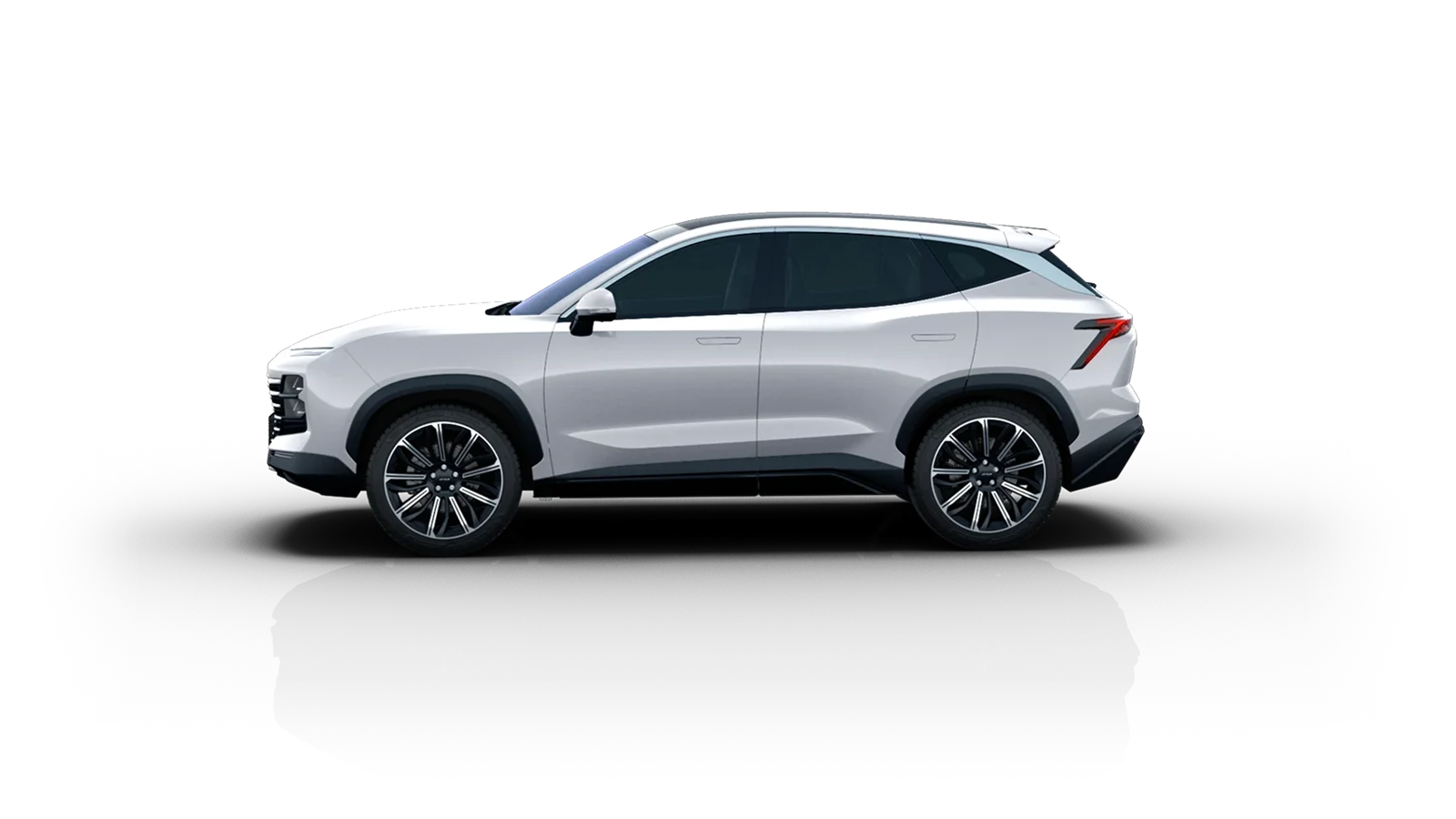
Jetour’s 2026 New Dasheng China page advertises a 1.5TGDI and 7DCT combination. The separate 2026 Dasheng Youth Edition China page advertises 1.5T with 6DCT. The global Dashing specification presentation lists other version combinations and explicitly notes regional variation. These are separate references, not a universal mechanical specification. Ask the supplier to verify the exact candidate and avoid filling gaps using whichever online configuration appears closest to the advertisement.
Ask for useful operating evidence
For a used vehicle, agree whether inspection includes starting observations, displayed warnings, low-speed manoeuvring and an appropriate road test. Record the conditions in which observations were made and any limitation. A brief driving clip does not establish the full state of a transmission. The inspection guide helps organise this evidence without replacing a proper assessment with an unsupported statement that everything works.
Keep electrified requests outside petrol assumptions
If your enquiry concerns an i-DM or another electrified designation, state that explicitly and ask for its own powertrain documentation. Do not apply a petrol Dashing brochure to it. Identify the support requirements and actual sourcing availability before comparing offers. A similar body or family name does not establish identical maintenance needs, equipment or preparation procedures for an electrified candidate.
Check the destination support route
Ask the intended workshop what vehicle information it needs to identify parts and service procedures. Confirm support for the actual engine and gearbox rather than the badge alone. Regional manufacturer programmes should not be assumed to transfer with an independently sourced car. Use service and parts planning to keep any unresolved support issue visible while the buyer still has a choice of vehicles.
A practical dealer request
A buyer requiring an automatic version should still request the original gearbox identification and supporting specification. Mark an offer with incomplete information as awaiting clarification rather than comparing it as an equivalent automatic car.
If a different version is proposed during sourcing, ask for an updated mechanical description and review it with the customer or workshop. The preferred version selected on the enquiry form begins the discussion; it does not confirm that a particular engine and gearbox are available or suitable for the intended destination.