
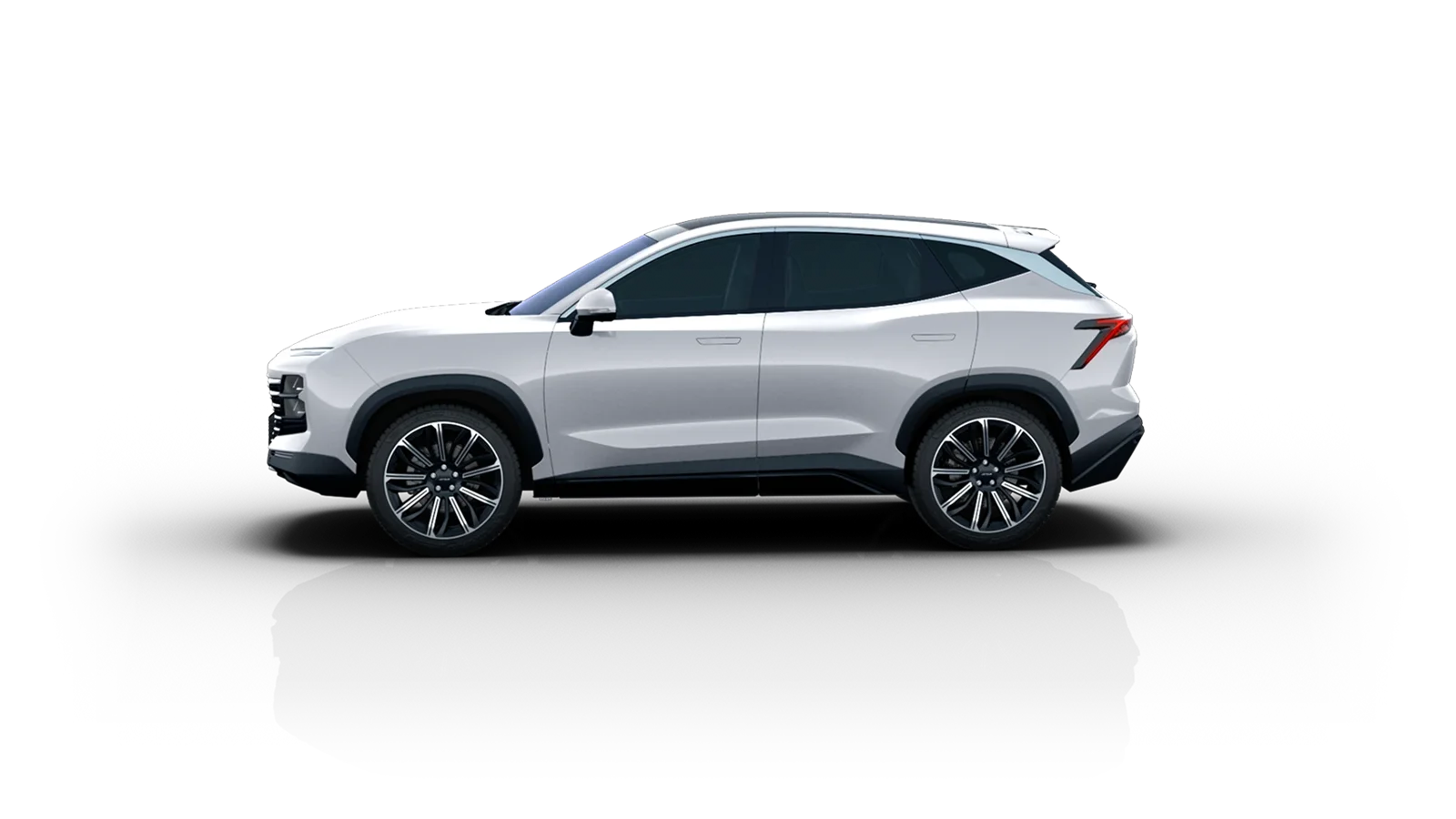
Keep both manufacturer references and unit records separate
Record which original version is quoted and link the actual candidate’s specification and photographs to that reference. The year and naming guide explains why overseas Dashing imagery should not silently represent either 2026 China application. A year label shared by both proposals does not establish the same mechanical or cabin package. Ask which listed functions are confirmed on each unit and which need evidence. If a supplier uses translated trim names inconsistently, request a corrected description before comparing amounts. Preserve production and registration requirements where the enquiry concerns a new car. If a used example is considered, give it its own status, history and current findings. This comparison is about deciding between eligible offers, not reconstructing a complete universal specification from two marketing names or one family photograph.
Identify mechanical differences before valuing them
Use the engine and transmission guide to retain the exact installed combination of each proposed unit. Manufacturer reference information can explain why the two applications need separate records; it cannot establish the condition or complete specification of the car in the quotation. Ask what the intended receiving workshop can support for each application and what current evidence is available. Do not assign a performance or economy advantage solely because a transmission description contains a different number or the version name sounds newer. Where operating preferences matter, define the ordinary task and request appropriate observations with their conditions. The existing displacement-led offer comparison answers a different question; keep it as background rather than turning this edition decision into another generic engine-size ranking. The customer needs the implications of the actual mechanical alternatives, including any unresolved support or assessment item.
Compare useful functions instead of an edition hierarchy
Make a short customer requirement list and match it to fitted evidence on both cars. Seat adjustment, wanted phone method, ordinary controls and relevant parking information should be demonstrated where they determine selection. The equipment review separates those tasks from a trim claim. A richer-looking panel or an attractive name cannot establish that the function exists or that the receiving user can access it. Identify language, device and account conditions where relevant, and keep proposed changes unconfirmed until a supported result is established. If both offers fulfil the essentials, optional appearance or convenience can receive a deliberate personal value. If the Youth Edition fulfils the customer’s task, do not call it unsuitable merely because another package is offered. Conversely, a needed function demonstrated only on the New Dasheng candidate can justify a different choice without declaring it best for every dealer.
Keep the occupied layout and status visible
Retain the actual front positions, required rear users and bags rather than assuming the two references provide the same practical result. The rear-family review explains how to label represented occupants and preserve personal-evaluation limits. Reference images from the overseas Dashing should remain reference images; they are not proof of either offered China cabin. For new proposals, clarify current status, storage information and completed pre-delivery work. For used units, retain separate history and relevant findings. A successful screen demonstration cannot clear unrelated condition concerns, and a new label does not prove every wanted function was checked. Where the buyer accepts both status routes, compare the actual prepared condition instead of hiding it under the common 2026 label. The edition decision should preserve the real vehicle task and acceptance record on each candidate.
Explain the difference in the finished quotations
Align currency, date, vehicle reference, preparation, supplied items and delivery scope. Identify whether the amount difference concerns equipment, mechanical application, status or work rather than attributing all of it to the edition name. The quotation guide retains that boundary. A dealer with customers requiring one particular ordinary function can favour the candidate that demonstrates it; another can choose the simpler eligible offer and spend less on unwanted extras. Record the actual useful benefit and every deliberate concession. Put the original edition, essential functions and accepted alternatives in the Dasheng sourcing enquiry. If the vehicle changes, the changed-offer review requires its own identity and material evidence. The final recommendation should concern the supported offered car, without claiming universal edition superiority, stock availability or a standard price gap across all proposals.
Choose the next action
| Requirement or finding | Buying response |
|---|---|
| Same year label, different original editions | Retain separate specification and mechanical records. |
| Both fulfil essential functions | Value the buyer’s wanted extras within aligned scope. |
| Unit is replaced | Review its own configuration rather than carrying edition approval across. |
Questions buyers ask
Is Youth Edition automatically equivalent to a cheaper New Dasheng?
No. Identify the two actual original configurations and their supported functions. Names and amounts alone do not establish equivalent mechanical, cabin or supplied scope.
Can the overseas Dashing cabin prove a 2026 China feature?
No. Keep that imagery as a global reference and request evidence from the offered China-version vehicle before crediting its equipment or useful method.