
Record what is actually installed and what changed
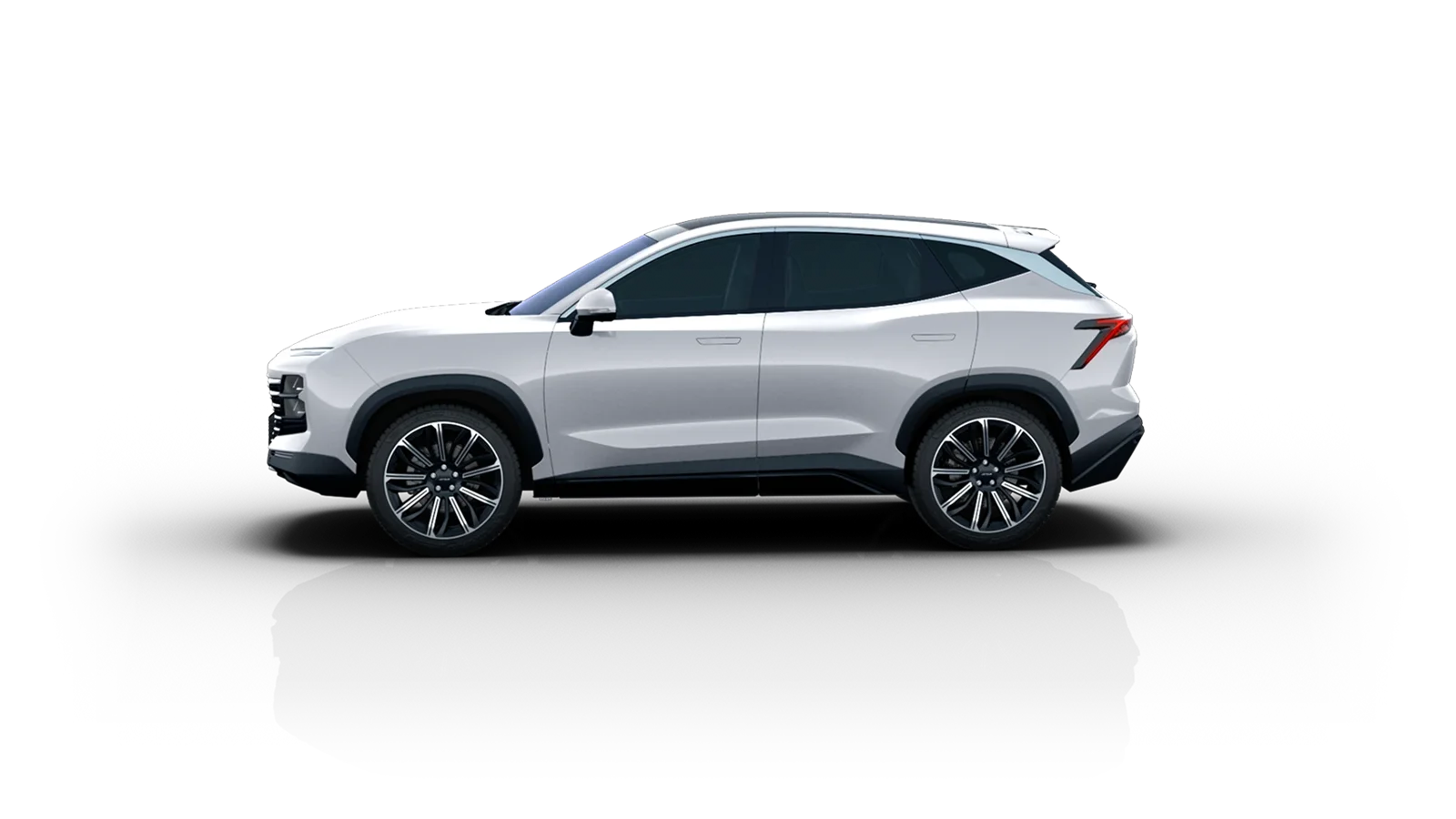
Ask for the offered unit’s original specification and the actual fitted wheel-and-tyre arrangement, including disclosed changes. The equipment guide separates original package content from later additions. A reference exterior image cannot identify the quoted candidate’s exact fitted components or current condition. Retain relevant identifiers and records with the vehicle reference where needed for assessment and support. Do not infer interchangeability from a similar diameter label or the same model family. If the customer wants an original package, state that preference explicitly. If an alternative arrangement is proposed, retain it as a change needing appropriate evidence rather than automatically crediting it as an upgrade. The dealer should understand which appearance the customer wants and what actual application is being valued before comparing richer-trim labels or attractive exterior photographs.
Have application and condition assessed appropriately
Relevant wheel and tyre suitability and material concerns require competent assessment using applicable guidance, not approval from appearance alone. Ask what was examined, which identifiers were used and what remains outside the assessment. The individual inspection guide retains those boundaries. A clean wheel face cannot establish every material consequence of previous work or an impact, and a tyre photograph is not a complete current-condition report. Do not give a universal fitting recipe or assume every package shown on another Dashing applies to the candidate. If work or replacement is proposed, identify the actual application and the evidence needed for the finished arrangement. Keep a future remedy separate from the current record. The buying value should be based on the appropriately supported setup the customer will receive, leaving unassessed suitability or condition questions unresolved rather than concealed by a visual preference.
Interpret personal ride observations without universal claims
Ask what the buyer wants from ordinary use and what appropriate observations can represent that task. The commuting review keeps personal impressions tied to the actual unit and stated conditions. Do not declare a package universally smoother, quieter or better handling from its appearance or a brief clip. Different configuration, current condition and observation context can change what the evidence means. If the customer directly evaluates two suitable arrangements, record their actual preference rather than turning it into a model-wide technical conclusion. A seller’s representative experience can provide context but cannot approve the receiving driver’s result under every route and load. Keep reported concerns for appropriate assessment. The customer may deliberately prioritise exterior appearance once the relevant application and condition requirements are met; that is a preference decision, not proof of superior operating performance.
Ask about supported replacement and supplied equipment
Identify the receiving route for relevant components and the actual arrangement the provider can support. The parts matching guide distinguishes application evidence from family-name assumptions. A quotation for a similar-looking part does not establish compatibility or completed installation. Keep any supplied spare, repair equipment or loose items identifiable and separate from the fitted package; applicable suitability and use remain their own questions. Do not assume a reference brochure’s kit travels with every offered vehicle. If a package change affects supplied scope or support, ask for the revised description and amount. A general statement that parts are available locally cannot settle every application or lead-time question. Retain commitments from the relevant party and mark what remains unquoted. This lets the dealer compare a preferred visual package with a practical supported alternative without promising universal support for every wheel choice.
Value the appearance premium within the finished car
Align status, individual findings, completed work and supplied items on the actual alternatives before judging the amount difference. An attractive package may earn a deliberate appearance premium after essentials are established, but it cannot compensate automatically for unresolved material concerns. The older-rich versus newer-simple review helps when package and production period differ together. Do not use a fixed premium or resale claim for every wheel design. A customer can choose a simpler accepted original arrangement or a supported preferred alternative, provided the actual difference is recorded. Include permitted changes, wanted appearance and required assessment in a Dashing request. If the car or fitted arrangement changes before delivery, update relevant evidence rather than transferring approval from earlier photographs. The final recommendation should distinguish personal value, supported application and current condition instead of treating a richer-looking exterior as complete buying readiness.
Choose the next action
| Requirement or finding | Buying response |
|---|---|
| Package differs from original records | Identify the actual changes and relevant application evidence. |
| Visual condition looks good | Retain appropriate material and tyre assessment separately. |
| Customer prefers a richer design | Value the preference after suitability and scope are established. |
Questions buyers ask
Do bigger-looking wheels guarantee better driving performance?
No. Appearance cannot establish a universal operating result. Retain the actual supported application, relevant condition and appropriately represented personal observations.
Does a parts quote prove the package can be supplied and fitted?
Only within its actual stated scope. Confirm matching evidence, responsible work and completion separately rather than treating a component amount as a finished supported arrangement.