
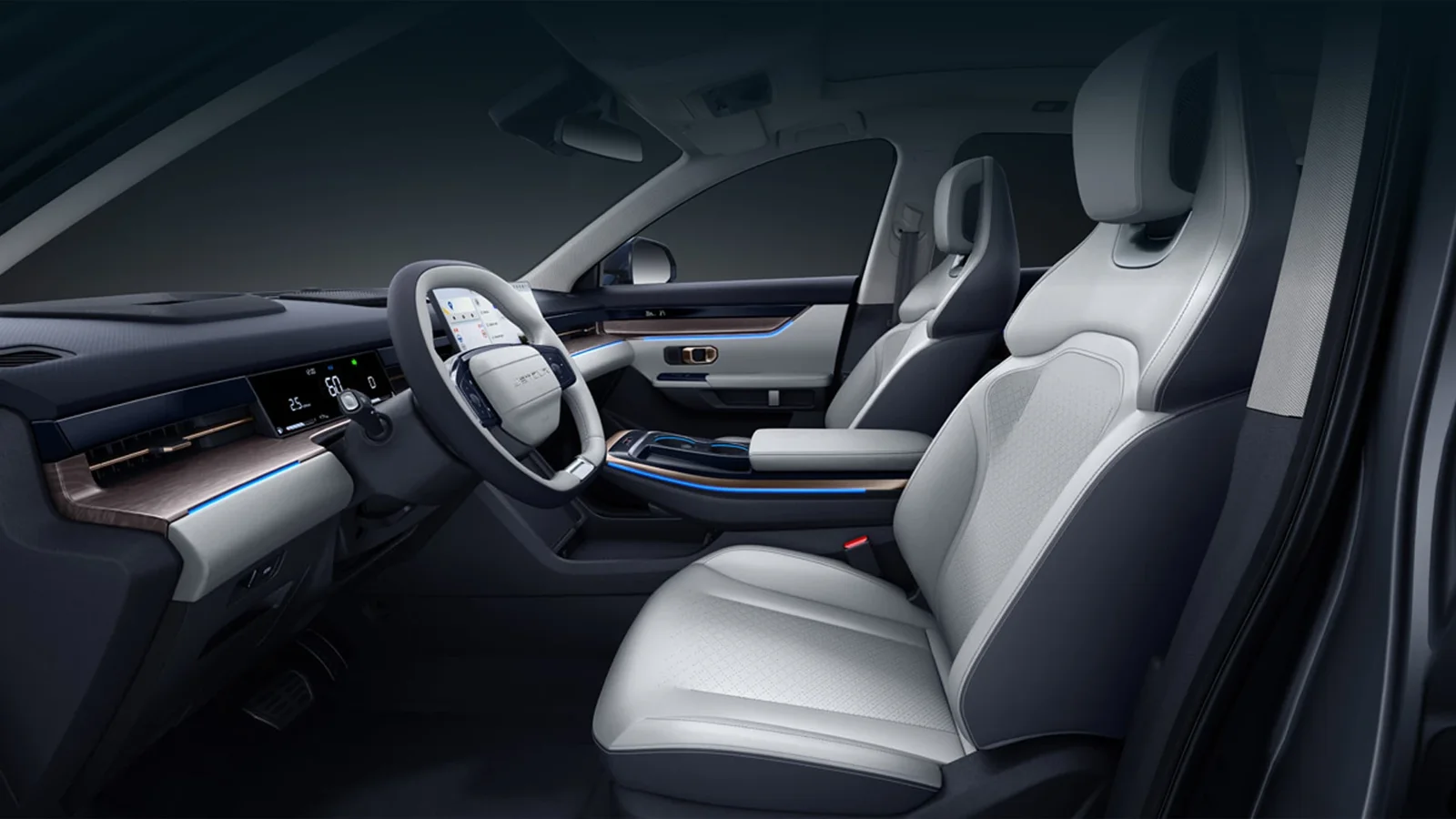
Describe the commute that motivates the purchase
Ask what the customer repeats: an urban approach, congested sections, a longer open-road portion or a combination. Record the occupants, bags and control tasks that matter without needing detailed private travel history. The fuel worksheet handles stated operating-cost assumptions; this article addresses practical commuting suitability. Keep the actual configuration and condition route in the brief. A broad long-distance label does not establish what the driver wants to evaluate. Nor should a model-wide comfort statement substitute for the ordinary journey question. If the buyer prioritises an acceptable position, useful cabin control or particular observed noise concern, identify it explicitly. Where direct evaluation is impossible, ask what representative evidence can answer and label its limits. The recommendation should describe the task supported by the available observations rather than promise a universal relaxed commute from vehicle category or advertised equipment alone.
Keep the driver’s position and repeated control method
Confirm the fitted adjustment arrangement and the driver’s useful position, with roof and seat context retained. The position and access review separates adjustment response from personal fit. Identify the daily cabin actions the driver needs and demonstrate them in appropriate conditions. The control-routine review keeps screen appearance separate from the wanted method. A seller’s alternate action should not be treated as fulfilment of the original request. Connected functions need receiving-device or account evidence where relevant. If more than one person commutes in the car, retain each needed position and method separately. The buyer may deliberately prefer one interface or package, but keep that personal value distinct from technical condition. A car with a successful screen demonstration can still leave the driver’s normal position or essential language task unresolved.
Interpret operating observations within their scope
Ask for appropriate observations on the actual candidate under stated route, loading and environmental conditions, retaining qualified findings where concerns require them. A brief drive can answer a defined question but cannot clear every potential response or noise issue. The traffic and parking review addresses relevant low-speed transmission observations as its own topic. Do not turn a comfortable-looking clip into a claim of complete mechanical health or a universal refinement ranking. If the driver reports something unusual, record the circumstances and request appropriate assessment rather than naming a fault from a recording alone. Keep current findings and observation limits with the unit reference. A used candidate’s service history can provide context, but dated work is not a guarantee of today’s response. A new-car proposal also needs its actual wanted pre-delivery checks rather than automatic approval through unused status.
Retain passengers, load and practical support
Hold normal front settings when reviewing the recurring rear users and luggage. The rear-family decision distinguishes a complete occupied task from separate favourable demonstrations. If the driver travels alone on most weekdays but carries family at other times, identify both required assignments and any accepted variation. Do not silently count a folded-seat load as evidence for an occupied weekend arrangement. Ask the receiving provider what support is available for the installed application and what it actually commits to. The service planning guide keeps that scope specific. A commute preference does not establish future downtime or maintenance costs. Record useful support evidence and unpriced matters separately from subjective comfort. The complete proposal should satisfy the ordinary driver task while retaining the other trips the household has said are essential.
Choose a supported commuting offer, not a promise
Compare another eligible unit or model under the same stated task, keeping individual findings and commercial scope independent. Identify vehicle amount, completed work, supplied items and delivery boundary. If a higher package provides a wanted adjustment or supported control method, state that benefit; if its extra features are unneeded, a simpler acceptable offer can be preferable. The older-rich versus newer-simple comparison considers that configuration choice. Do not promise a fixed fatigue reduction, noise result or universal operating saving. Put the regular task, essential position, useful methods and further evidence required in a Dashing commuting enquiry. If preparation or substitution changes the actual vehicle, repeat material observations. The final recommendation should explain what supports the purchase and what remains personal or unassessed, instead of using a short test as complete approval for every future journey.
Choose the next action
| Requirement or finding | Buying response |
|---|---|
| Commute is described only broadly | Define the actual repeated tasks and occupants. |
| Observation conditions differ | Retain their limits before comparing impressions. |
| Package adds a wanted adjustment | Confirm its useful result within the finished scope. |
Questions buyers ask
Can a short video prove the Dashing is comfortable on my commute?
It can show defined observations under stated conditions, not every driver’s full experience. Preserve personal evaluation and any relevant qualified assessment still needed.
Is fuel spending the same question as commuting suitability?
No. Use stated assumptions for cost comparisons, while separately assessing position, ordinary controls, represented operation and the household’s required load.