
Agree what the buyer needs to establish
Identify the expected customer use and whether cabin cooling is an acceptance condition. Ask for a check appropriate to the vehicle and circumstances, with the date, relevant ambient conditions and scope recorded. Keep a parked observation separate from a professional assessment or a check under different conditions. The seller should describe what was actually examined.
The general inspection guide covers the wider used-car review. This narrower task gives a dealer a usable cooling result to discuss with the customer. Avoid promising performance at a destination that has not been assessed. If the available conditions do not answer an essential requirement, agree how that gap will be resolved before purchase.
The roof-package value review retains occupied conditions and climate expectations without claiming a universal thermal benefit from roof appearance.
Confirm the supplied cabin controls
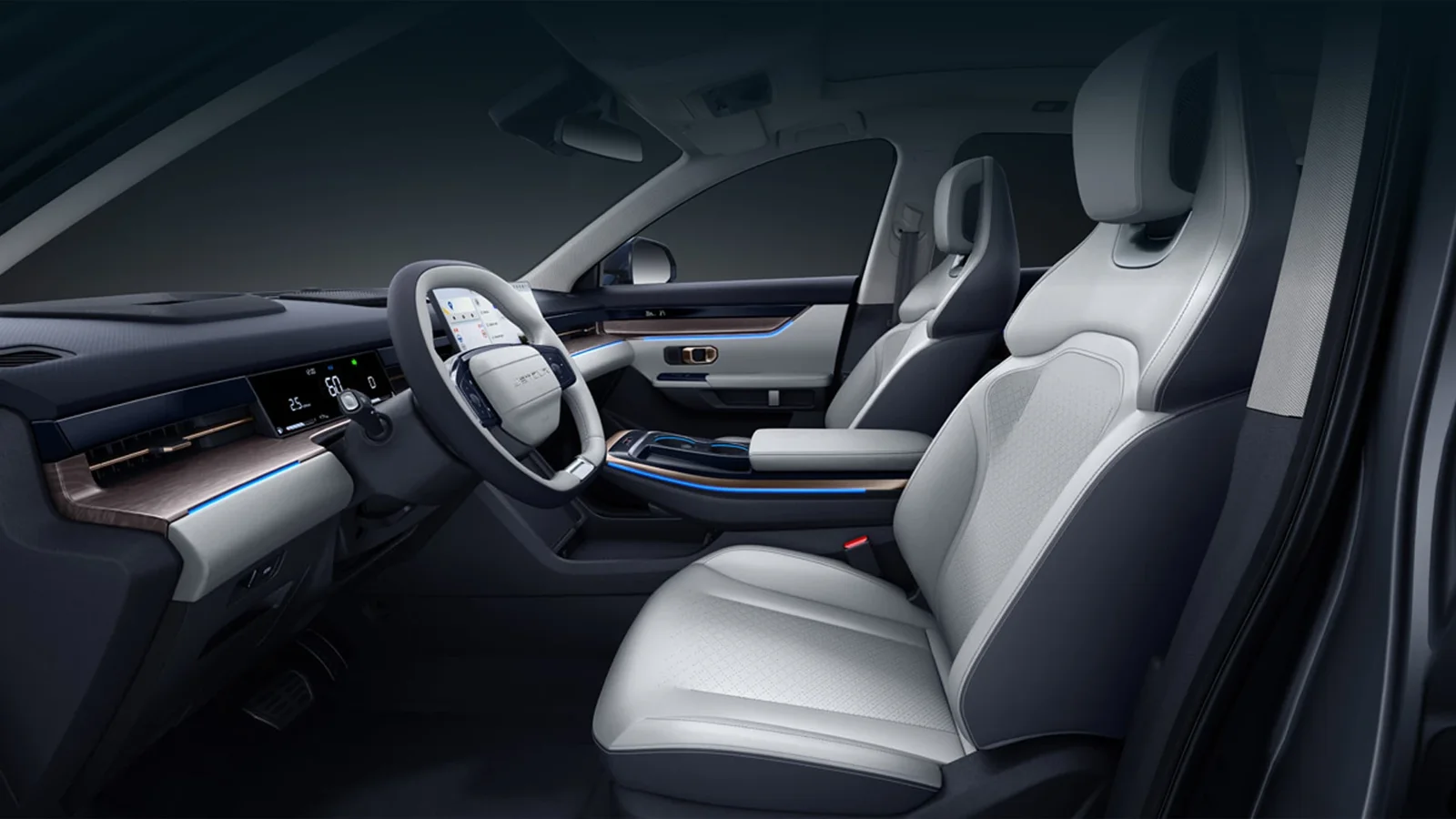
Identify the controls and outlets present on the candidate, then demonstrate the normal functions relevant to the customer. Show the settings used and the result rather than an unexplained dashboard photograph. Different production and market descriptions should remain separate until the actual car’s equipment is confirmed. Do not infer a particular climate-control package from the Dashing badge alone.
Use the equipment verification guide for the complete version record. A functioning display is only one part of this task; the requested cabin function must be observed. Keep optional features and seller-added components identified. The receiving dealer needs to know which arrangement was tested and whether it matches the offer.
Record cooling observations without overclaiming
Ask the person carrying out the check to record the conditions, settings and observations in a way the receiving party can understand. If measurements are used, retain their method and qualified interpretation. Do not invent a universal outlet-temperature threshold for all vehicles and circumstances. A result is useful when its scope and limitations are visible.
Note unusual noises, odours, inconsistent airflow or warning messages for appropriate assessment. These observations do not identify a component failure on their own. Avoid turning one symptom into a firm diagnosis or quoting a repair cost without examination. Refer unresolved concerns to a qualified provider who can explain the finding for this particular vehicle.
Review history and proposed repairs
For used stock, request available cooling-related repair records and the reason for any recent work. Establish what was done and whether the reported issue was resolved. A statement that refrigerant was added is not a complete condition report. Where a concern remains, ask the qualified provider to define the necessary diagnosis and accepted completion evidence.
Keep preparation with the support and parts record. Parts and procedures need to match the actual vehicle, and the provider should identify the applicable requirements. This guide does not prescribe refrigerant handling or repair steps. The dealer’s task is to obtain a clear professional result and an accountable preparation arrangement before describing the system as satisfactory.
The reported damp-cabin evidence review keeps ordinary climate response separate from appropriately assessed cause and consequence questions.
Include new-car storage and delivery checks
New stock also needs the applicable pre-delivery checks. Establish the actual production and storage circumstances, then request the cooling observations relevant to the customer’s acceptance. A new label cannot replace a completed check. If a preparation issue was corrected, keep the completion record and repeat observation with the specific vehicle rather than relying on a generic delivery checklist.
The new-stock verification guide ties those checks to the selected unit. Used cars need their additional history and condition assessment alongside the same practical customer requirement. Do not describe a regional warranty as the automatic remedy for an export vehicle; clarify the support party and applicable terms in the actual transaction.
Close the acceptance question before release
Retain the vehicle reference, conditions, functions tested, qualified findings and any repeat-check result. Distinguish demonstrated satisfactory operation from an untested destination requirement or unresolved concern. Include the agreed support route where preparation was required. The customer should understand the delivered result without being asked to rely on an unrestricted cooling promise.
Use the handover record to preserve those findings at release. A substitute car requires its own applicable checks, even when the specification appears similar. If satisfactory evidence cannot be provided for an essential requirement, resolve the condition or select another candidate. A clear acceptance decision is more useful to the dealer than a reassuring video without context.